
First, there’s Nam Pia
Nam Pia is made from animal offal such as cow blood, tail, stomach, intestines, etc., simmered with characteristic mountain spices until it becomes a thick mixture. The dish has a bitter taste and is often eaten with banana blossoms and mint.
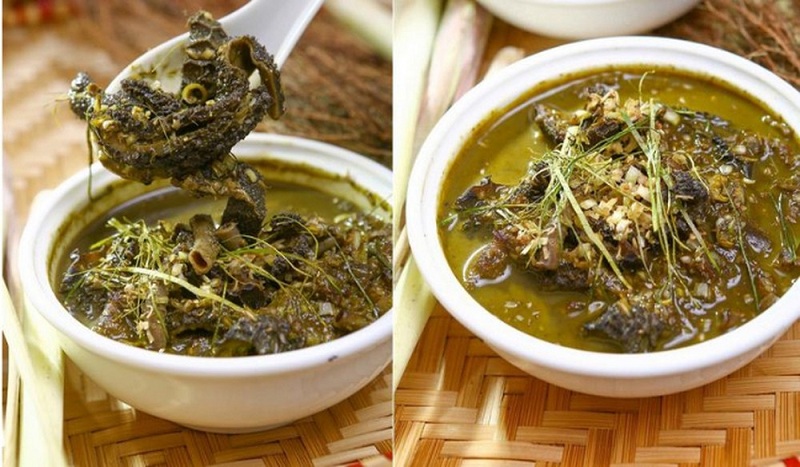
You can find this dish at all the markets; remember to wake up early and go for a morning meal. In Thai, “nam” means soup, and “pia” is the thick, viscous substance found in the small intestine of a cow. The dish is simply called nam pia, depending on each person’s interpretation. Nậm pịa is only found in the Northwest mountainous region from Mộc Châu to Sơn La. This is a traditional dish that has existed for a very long time and is very much loved by the Thái ethnic people.
Dried buffalo meat
Drying is a very common way of preserving food among the Thái people. Dried buffalo meat is one of the dishes made using this preservation method, but its special flavor makes it famously attractive. The Thai people in Son La don’t always make dried buffalo meat; only during Tet (Vietnamese New Year) or major religious ceremonies, when a family slaughters a buffalo, do they set aside some to make this dish.
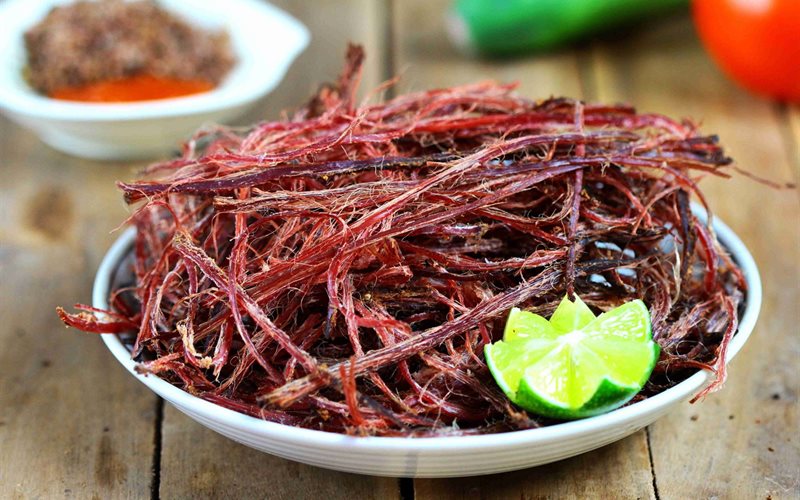
When eating, it’s usually dipped in mac ken – a spice made from forest salt and pepper. Dried buffalo meat can be grilled over charcoal or steamed again to make it tender and easy to eat. This dish is appealing because of its unique flavor, with the spiciness of chili, the pungency of garlic, the sweetness of the meat, and especially the slightly smoky aroma of the kitchen fire, the unmistakable fragrance, and the tingling sensation on the tongue from the mắc khén seeds.
Mắc Nhung Porridge
A must-try specialty of Tà Xùa is mắc nhung porridge. This is a type of porridge made from a green fruit, related to tomatoes, with a mild bitterness, combined with the delicate sweetness of broken rice.
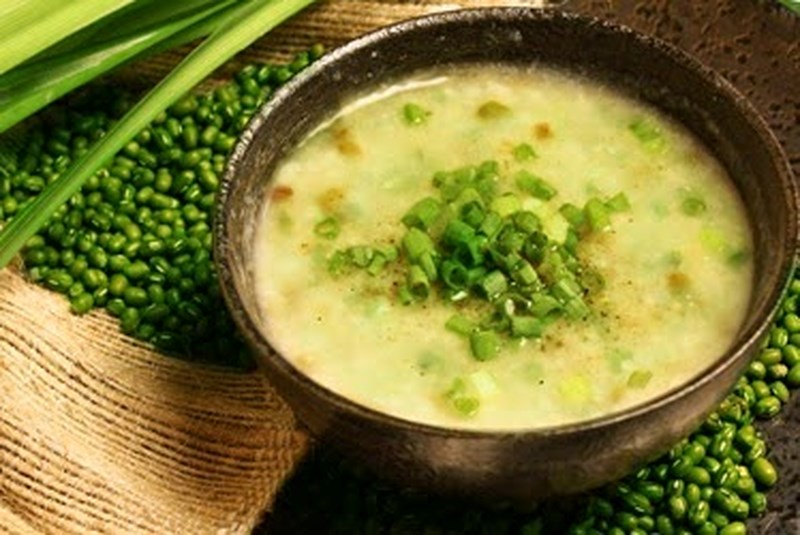
After the harvest season, mắc nhung fruits are scattered on the fields until ripe, then harvested, washed, mixed with ginger, combined with broken rice, wrapped in banana leaves, and buried in hot ash or steamed. This dish has a thick consistency, a mildly bitter taste, and is quite unique!
Sour pickled meat is delicious and unique.
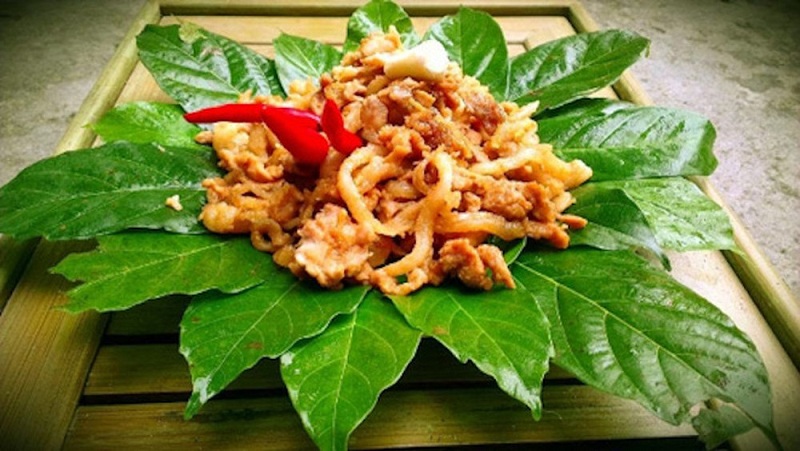
Sour pickled meat is a specialty of Son La, and is also widely sold in Ta Xua. This dish’s basic ingredients are meat, refined salt, and leftover rice that has been fermented for a full six months.
Bamboo-cooked rice
Bamboo-cooked rice is a characteristic dish of the Northwest region. Especially among the Thai ethnic group, sticky rice cooked in bamboo tubes (Com Lam) is prepared very simply from glutinous rice. According to the customs of the Thai people in the past, Com Lam was only made after the new rice harvest. They particularly preferred cooking it with upland glutinous rice. The glutinous rice was soaked overnight, then placed into bamboo tubes (which the locals call “may khau” or “Lam Pa Nga”), enough water was added, and the tubes were sealed with banana leaves or dong leaves before being placed over a wood fire until the bamboo tubes were charred, releasing the fragrant aroma of the rice. When there was no more water in the bamboo tubes, it was cooked.
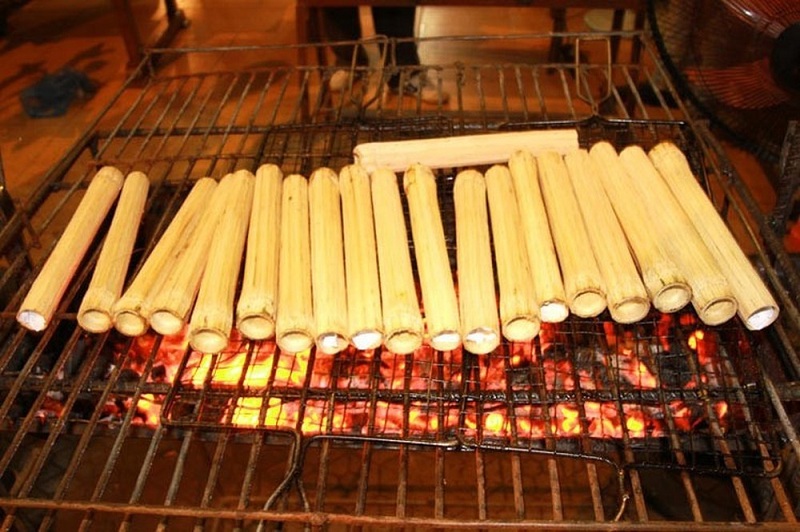
Com Lam is usually baked in Bamboo tubes over glowing charcoal stoves
Peeling back the layers of the bamboo tube reveals the fragrant aroma of sticky rice, blended with the slightly pungent smell of grilled bamboo, dipped in cham cheo – a delicious dish

Comments are closed.